SHADOW PLAY
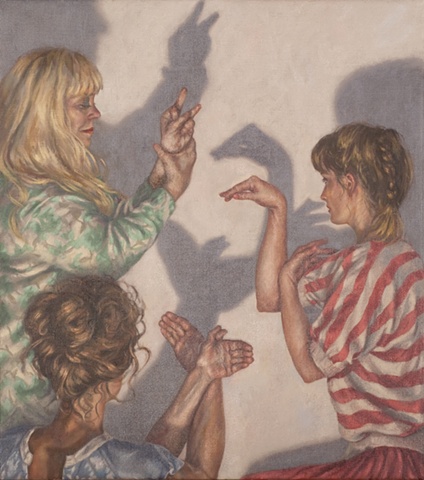
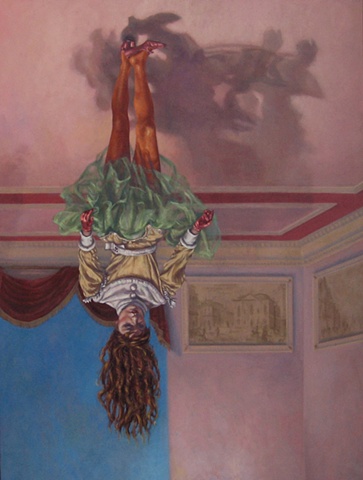
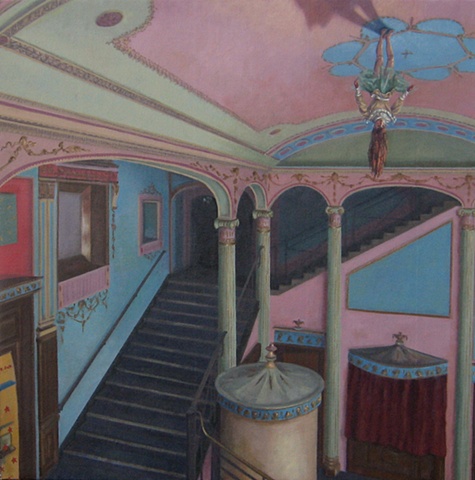
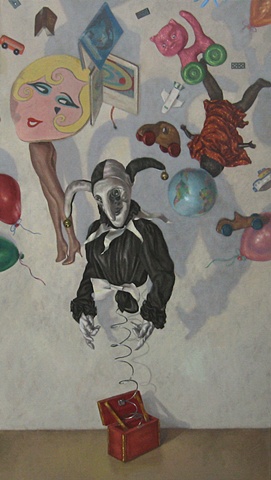
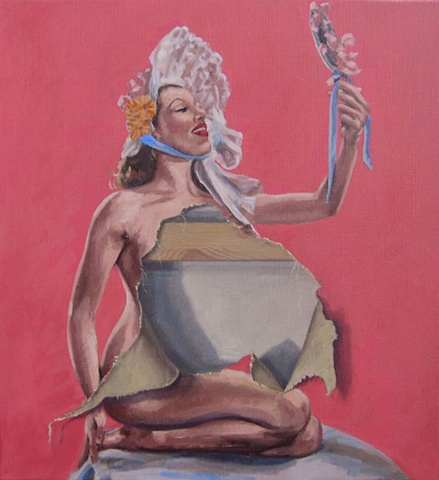
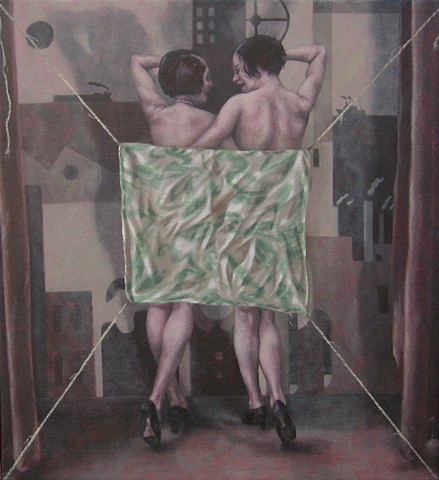
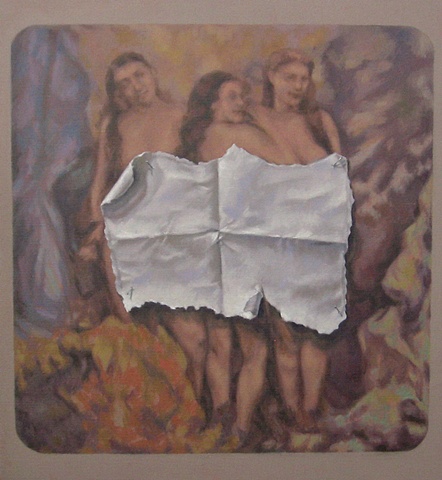
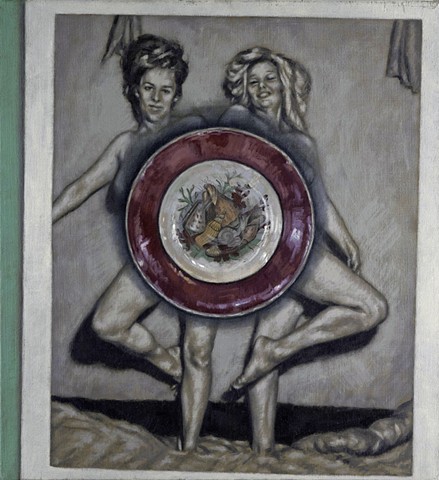
Attuned to current preoccupations, Halls is drawn to investigate the meaning of key cultural trends. She anticipated the revival of the cabaret and burlesque scene in her Tingle-Tangle project which offers tableaux that reflect a modern yearning for a certain historicised, escapist, erotic glamour.
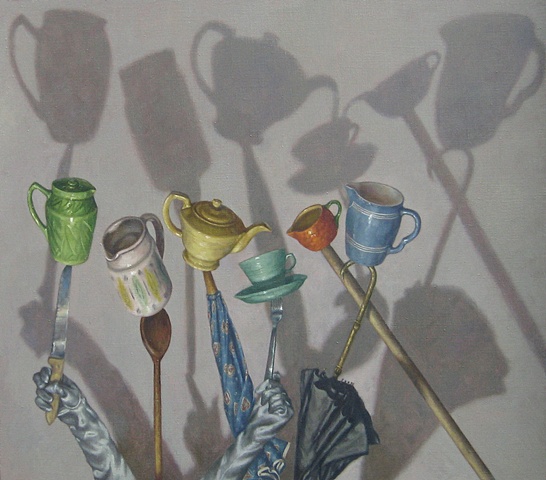
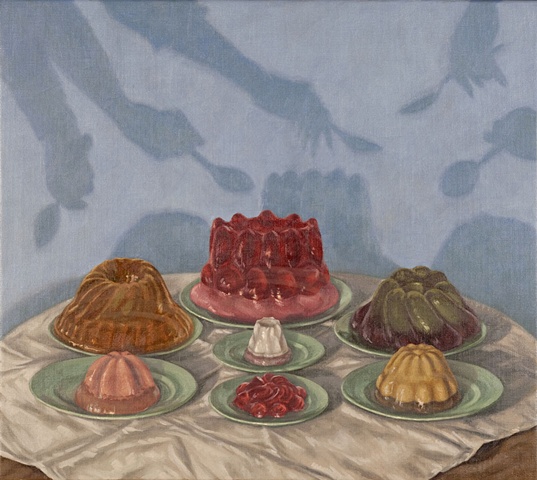
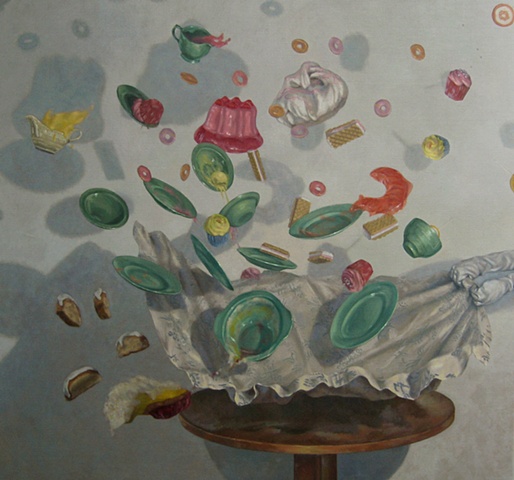
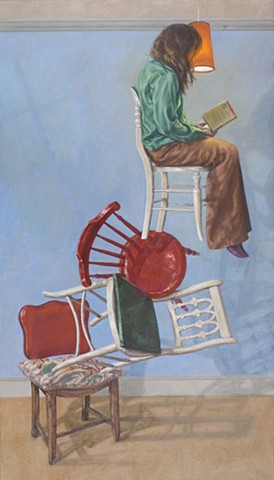
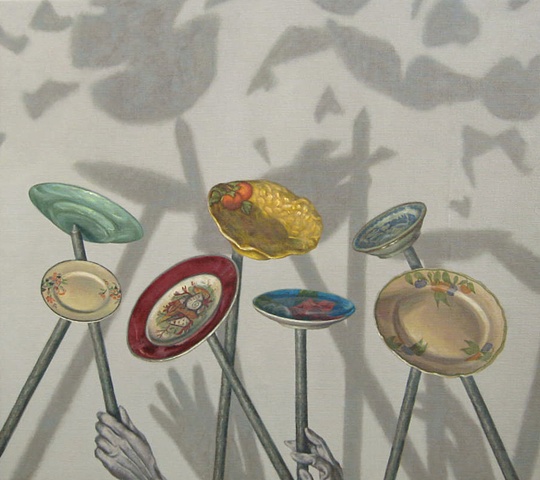
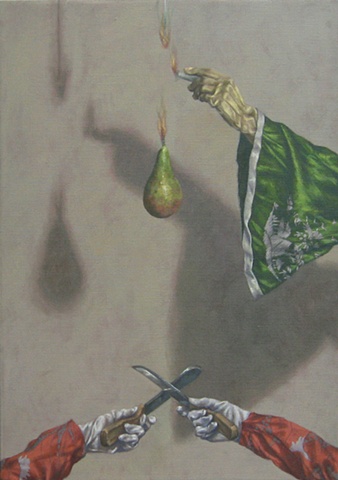
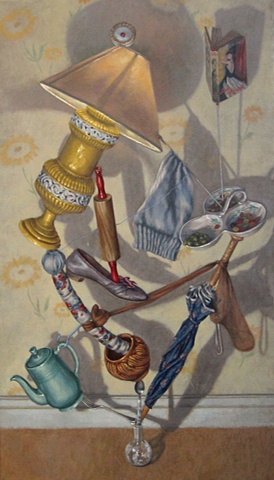
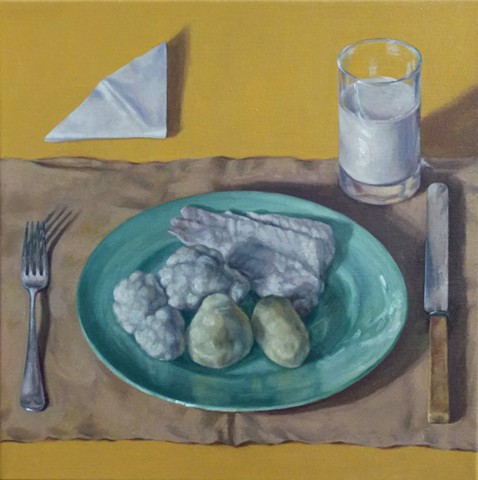
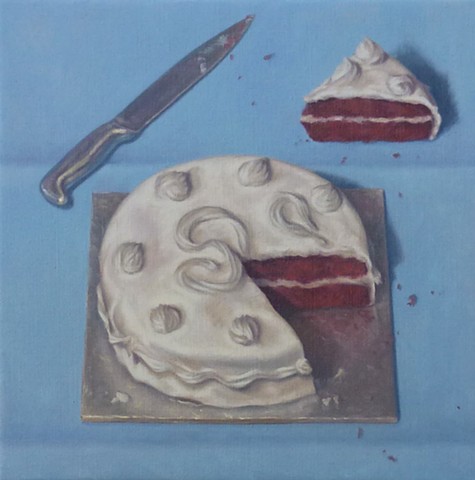
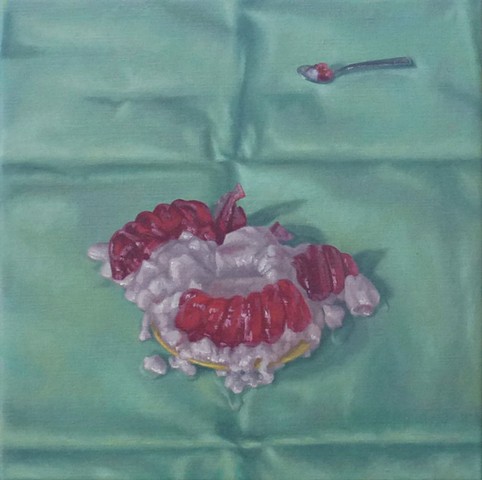
With their evocative colour, her latest images mischievously reference the current taste for vintage objets and their aspiration to capture a quintessence of Englishness. Cupcakes, tablecloths and pop-up confections: we are presented with the mise-on-scene of a rather ladylike world in a palette to match but all is in flux, flying through air or impossibly balanced and on the verge of toppling. Enticing and capricious, these images hint at both the allure and the precariousness of a certain kind of idealized polite culture. Halls sees that part of the attraction of all these things is that they symbolize a kind of peace and security that seems elusive today, as if through the rituals of taking tea and making jellies the genteel life they allude to will be ours.
And yet for all their ideas, unlike the precarious Tower Of Mabel, these pictures are never at risk of toppling under the weight of conceptual discussion. Halls' work is always underpinned by a commitment to the painted image and all that it can achieve and she sees the canvas as an endlessly fascinating stage in which to create a wonderful performance or illusion. Everywhere in these pictures there is great beauty to be found, and a pure delight in the conviction with which objects have been painted. Note the sensuousness of her fabric, the gleam on china and metal, the ice-cream sliding from the eau de nil bowl. But this beauty is not simply a trap for the unwary:the painter sincerely loves to render these phenomena with integrity, though in depicting them so persuasively she makes them a little uncanny. Hers is not a purely critical eye, she is not immune to the attraction of these things and all that they evoke. Indeed, Halls says that she considers herself to be currently engaged in the act of exploring the notion of still life. “I see myself as working within and with great respect for this tradition, but somehow even here, as with all my work, it is the potential for transformation and evolution which remains central”.
We recognize that, in time, the curtain will fall on a darkened cabaret stage, the pear will be divided, and the crockery may fall, but through Halls' sleight of hand in her extraordinary paintings such endings are forever postponed.
Catalogue essay by Melanie Duignan